What is the deadline for an employer to establish a qualified retirement plan? Can an employer establish a plan in 2020 for the 2019 plan year? If an employer establishes a plan for the prior year, can elective deferrals be contributed for that prior year?
Read MoreIRS Notice 2020-15 addresses testing and treatment of COVID-19 as it pertains to HSA contribution eligibility.
Read MoreOne of the most significant changes affecting IRAs as a result of the SECURE Act is the repeal of the age limit on Traditional IRA contributions. Effective for 2020 and later taxable years, individuals of any age can make Traditional IRA contributions, if they have eligible compensation.
Read MoreIn response to storms in Tennessee, the IRS is allowing an extension of time for affected residents to complete certain time-sensitive tax-related acts.
Read MoreThe age when required minimum distributions must begin increased from 70½ to 72, starting in 2020. Find out who is affected by the change—and what it means for IRAs versus employer-sponsored retirement plans.
Read MoreWhen does the five-year waiting period start for purposes of a Roth IRA qualified distribution? If a Roth IRA owner has multiple Roth IRAs, does each account have its own five-year period? What happens to the five-year period when a Roth IRA owner dies?
Read MoreThe IRS issued its semi-annual update to the agency’s 2019-2020 Priority Guidance Plan. A number of the guidance items deal with retirement savings arrangements.
Read MoreWith so many savings obstacles lined up against women, it is crucial that your female clients have a plan to meet their retirement savings goals. Incorporating an HSA into their savings strategy early on could pay off for them in the future.
Read MoreWhat is a related employer relationship? Why does it matter if the employer is part of a related employer relationship for retirement plan purposes? What should the employer consider in terms of the plan and how are participants affected?
Read MoreThe enactment of the SECURE Act provisions just 11 days before the start of 2020 has most financial organizations and other industry partners in a whirlwind trying to comply with the requirements as soon as possible. Here’s a brief overview of some of the changes affecting IRAs.
Read MoreSome provisions of the SECURE Act took effect mere days after enactment—on January 1, 2020—making implementation difficult. Industry groups have requested that the IRS expedite guidance on the most pressing questions. Here’s the guidance that we have so far: some is explicit and some we can glean through draft instructions for required tax reporting.
Read MoreIn response to the timing of the enactment of the SECURE Act/FCAA , the IRS issued Notice 2020-6, granting IRA trustees, custodians, and issuers some relief when it comes to 2019 Form 5498 reporting for required minimum distributions.
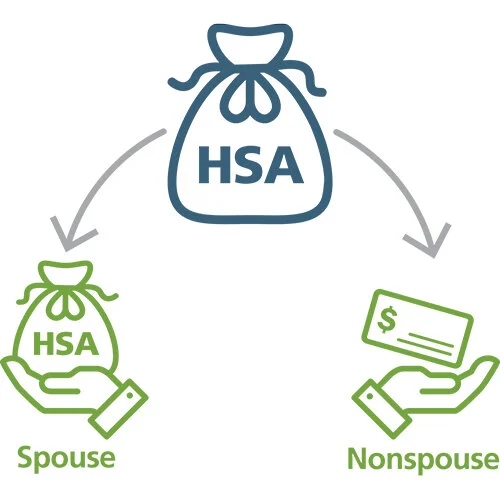
Read MoreIf your organization is a trustee or custodian of both IRAs and HSAs, it’s important to realize that an HSA is treated quite differently from an IRA after the account owner dies. HSA beneficiaries are limited to one outcome, depending on whether they are a spouse or a nonspouse beneficiary.
Read MoreOn average, your clients who are women earn less and have fewer years with earned income compared to men. They are less likely to set aside money in an IRA or contribute to an employer-sponsored retirement plan. But for those clients without their own income who are married, making “spousal contributions” to an IRA may help them save for retirement.
Read MoreWhat is UBTI? What types of income are exempt from UBTI? Who is responsible for determining whether an IRA has incurred UBTI? How is the UBTI tax filed and paid?
Read MoreWhat does the universal availability requirement in 403(b) plans mean? Does the universal availability rule apply to all organizations? How does the employer satisfy the universal availability requirement?
Read MoreUnderstanding the SECURE Act provisions will help you provide the best service possible to your clients. There are certain provisions that will more significantly affect your retirement savings plan business.
Read MoreAs a trustee or custodian of IRAs, HSAs, or ESAs, your organization must keep track of many deadlines throughout the year. Missing a deadline can be costly. Seeing the big picture of all due dates in one calendar year with a brief description of each may be helpful.
Read More